
Introduction
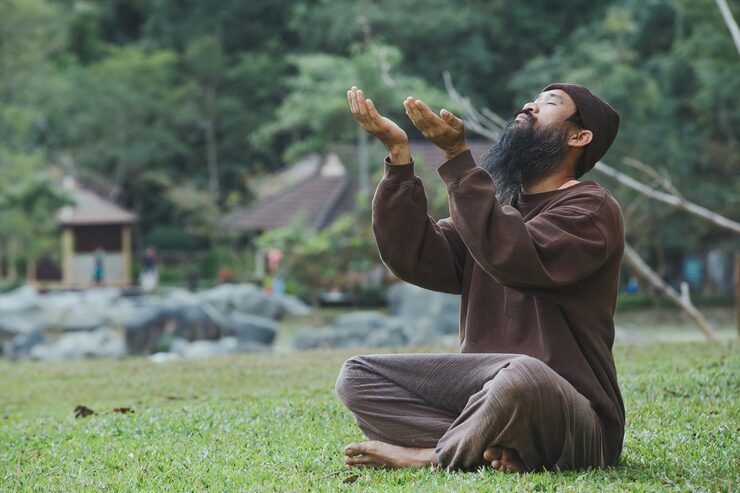
If you’ve ever wondered what a person who teaches buddhist meditation and practices is called or what they actually do, you’re not alone. Meditation has become increasingly popular in the U.S., but its roots go back thousands of years in Buddhist traditions. A person who teaches buddhist meditation plays an important role in guiding others toward mindfulness, inner peace, and spiritual growth.
In this blog, you’ll learn who these teachers are, what they do, and how they help others. We’ll also explore creative ways to express meditation through art, including how to draw an abstract person in meditation and how to paint an abstract person in meditation.
Who Is a Person Who Teaches Buddhist Meditation?
A person who teaches meditation is called a meditation teacher, but in Buddhist traditions, they may also be referred to as a Dharma teacher, monk, or spiritual guide. A person who teaches buddhism meditation often has years of training and personal practice.
Role of a Meditation Teacher
A person who teaches buddhist meditation and practices helps students:
- Learn proper meditation techniques
- Understand Buddhist teachings
- Build a consistent mindfulness routine
- Overcome mental distractions
They don’t just teach—they guide, support, and inspire.
Types of Teachers
There are different kinds of a person who teaches buddhist meditation:
- Monks and nuns – deeply trained in Buddhist traditions
- Lay teachers – non-monastic individuals who teach meditation
- Modern mindfulness coaches – adapt Buddhist techniques for everyday life
Each type brings a unique perspective while staying rooted in meditation principles.
What Does a Buddhist Meditation Teacher Teach?
A person who teaches buddhist meditation and practices focuses on both practical skills and philosophical understanding.
Meditation Techniques
A person who teaches buddhism meditation often introduces:
- Breathing meditation (focus on breath)
- Loving-kindness meditation (cultivating compassion)
- Body scan meditation (awareness of physical sensations)
These techniques help reduce stress and improve focus.
Mindfulness in Daily Life
A person who teaches meditation is called a guide for everyday awareness. They show students how to:
- Stay present during daily tasks
- Manage emotions calmly
- Respond instead of react
This makes meditation useful beyond just sitting quietly.
Spiritual Growth
A person who teaches buddhist meditation also explains key ideas like:
- Impermanence (everything changes)
- Non-attachment (letting go of control)
- Compassion (kindness toward others)
These teachings help students grow mentally and emotionally.
Creative Expression: Meditation Through Art
Meditation isn’t just about sitting still—it can also inspire creativity. Many people explore mindfulness through art, such as learning how to draw an abstract person in meditation.
How to Draw an Abstract Person in Meditation
To practice how to draw an abstract person in meditation, follow these simple steps:
- Start with basic shapes like circles and lines
- Focus on posture (crossed legs, straight back)
- Use flowing lines to represent calm energy
- Keep details minimal for an abstract feel
This method allows you to express peace and stillness visually.
How to Paint an Abstract Person in Meditation
If you prefer painting, how to paint an abstract person in meditation can be a relaxing activity:
- Use soft colors like blues and purples
- Blend colors to create a calming effect
- Add light or glow around the figure
- Focus on emotion rather than detail
This creative process can feel like meditation itself.
Why Art and Meditation Work Together
A person who teaches buddhist meditation and practices may even encourage creative activities because:
- Art improves focus
- It reduces stress
- It helps express inner thoughts
Combining art with meditation creates a deeper sense of awareness.
How to Become a Meditation Teacher
If you feel inspired, you might wonder how to become a person who teaches buddhist meditation.
Training and Practice
Most teachers begin as students. A person who teaches buddhism meditation typically:
- Practices meditation daily
- Studies Buddhist teachings
- Attends retreats or training programs
Consistency is key.
Certification and Teaching
While not always required, many choose certification. A person who teaches meditation is called a professional instructor when they:
- Complete teacher training programs
- Lead classes or workshops
- Guide individuals or groups
Personal Qualities
A person who teaches buddhist meditation and practices should have:
- Patience
- Compassion
- Strong listening skills
These qualities help them connect with students effectively.
Conclusion
A person who teaches buddhist meditation and practices plays a powerful role in helping others find peace, clarity, and balance. From teaching meditation techniques to encouraging mindfulness in everyday life, these individuals guide others on a meaningful journey.
We also explored creative ways to connect with meditation, like how to draw an abstract person in meditation and how to paint an abstract person in meditation, showing that mindfulness can extend beyond traditional practices.
Whether you’re looking to learn meditation or become a teacher yourself, understanding the role of a person who teaches buddhist meditation is the first step. Take time to explore, practice, and reflect—you may discover a deeper sense of calm and purpose.