
Finding time to slow down can feel impossible in a fast moving world. Yet, just a few intentional minutes can reset your mind and body. A 10 minute guided meditation offers the perfect balance between depth and practicality, giving you enough time to settle your thoughts while still fitting into a busy schedule.
At Suffering Is Optional Meditation, the goal is to make meditation approachable and effective. You do not need to be experienced or perfectly calm to begin. You simply need to show up and follow the process.
Why a 10 minute guided meditation is powerful
A 10 minute guided meditation provides enough time to move beyond surface level relaxation. In the first few minutes, your mind may still feel active. As you continue, your breathing slows, your body softens, and your awareness deepens.
Guided meditation is especially helpful for beginners. Instead of wondering what to do, you follow simple instructions that keep your attention focused. This makes it easier to stay present and experience the benefits of meditation for stress and meditation for anxiety.
Over time, these sessions train your mind to become more stable and less reactive. You begin to notice a sense of calm that extends beyond the meditation itself.
Preparing for your meditation
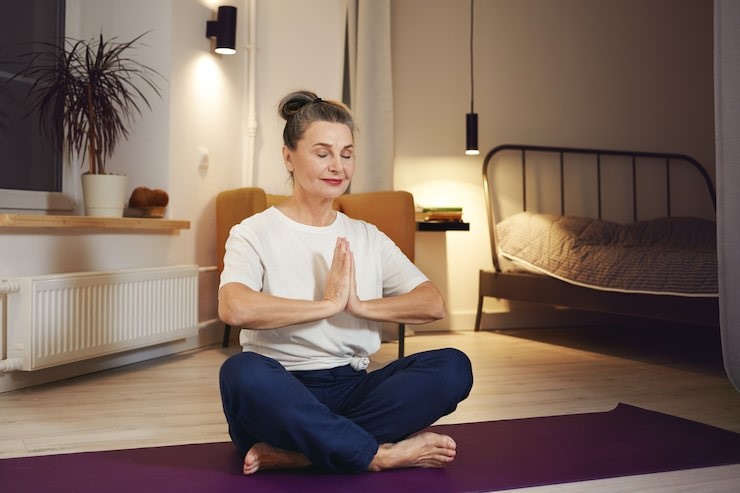
Before starting your 10 minute guided meditation, find a comfortable position. Sit upright in a chair or on a cushion. Keep your back straight but relaxed, allowing your body to remain at ease.
Close your eyes or soften your gaze. Take a few deep breaths to settle into the moment. Let go of any tension in your shoulders, face, and hands.
Creating a small, consistent space for meditation can help, but it is not required. The most important thing is your willingness to be present.
A simple 10 minute guided meditation you can follow
Begin by bringing your attention to your breath. Notice the natural rhythm of inhaling and exhaling. There is no need to control it.
For the first two minutes, simply observe your breathing. Let your body relax with each exhale.
In the next few minutes, expand your awareness. Notice sensations in your body such as warmth, tension, or movement. Allow everything to be as it is without trying to change it.
As thoughts arise, gently acknowledge them and return your focus to your breath. This is a key part of meditation for anxiety. You are not trying to eliminate thoughts but to relate to them differently.
In the final minutes, rest in open awareness. Allow your mind and body to settle naturally. When you are ready, slowly bring your attention back and open your eyes.
How meditation for anxiety supports emotional balance
Anxiety often comes from constant mental activity and worry. A 10 minute guided meditation helps create space between you and your thoughts.
Instead of being caught in anxious thinking, you learn to observe it. This reduces its intensity and allows you to respond more calmly.
Practicing meditation for anxiety regularly can help you feel more grounded. Even during stressful situations, you will have a tool to return to calmness.
This shift does not happen overnight, but with consistency, it becomes a natural part of how you experience your thoughts and emotions.
Using meditation for stress throughout the day
A 10 minute guided meditation is not limited to a single session. Its benefits extend into your daily routine.
You may notice that you pause more often, breathe more deeply, and react less impulsively. These small changes are the result of regular meditation for stress.
You can also use short moments of awareness between tasks. Even a few conscious breaths can reconnect you to the calm you experience during meditation.
This makes meditation a practical tool rather than something separate from your life.
Staying consistent with your practice
Consistency is the foundation of progress. A 10 minute guided meditation is long enough to be effective and short enough to maintain daily.
Choose a time that works best for you. Morning sessions can help set a focused tone, while evening sessions can release tension from the day.
If you find it difficult to stay consistent, start by committing to just a few days a week. Gradually build the habit without pressure.
At Suffering Is Optional Meditation, the focus is on sustainable practice. Meditation should feel supportive, not overwhelming.
Common challenges and how to manage them
It is normal to experience distractions during a 10 minute guided meditation. Your mind may wander, or you may feel restless.
This is part of the process. Each time you notice your attention drifting and bring it back, you are strengthening your focus.
Another common challenge is expecting immediate results. While you may feel calmer after one session, the deeper benefits of meditation for anxiety and meditation for stress develop over time.
Patience and consistency are key. Allow the practice to unfold naturally.
The long term benefits of guided meditation
A regular 10 minute guided meditation can lead to meaningful changes in your mental and emotional wellbeing. You may experience reduced stress, improved focus, and greater emotional balance.
You may also find it easier to handle challenges without feeling overwhelmed. This is because meditation helps you build awareness and resilience. Suffering Is Optional Meditation teaches that calm and clarity are always available. Through consistent practice, you learn how to access these states more easily.
Take ten minutes today to pause, breathe, and follow a simple guided meditation. This small commitment can create lasting improvements in how you think, feel, and respond to life.