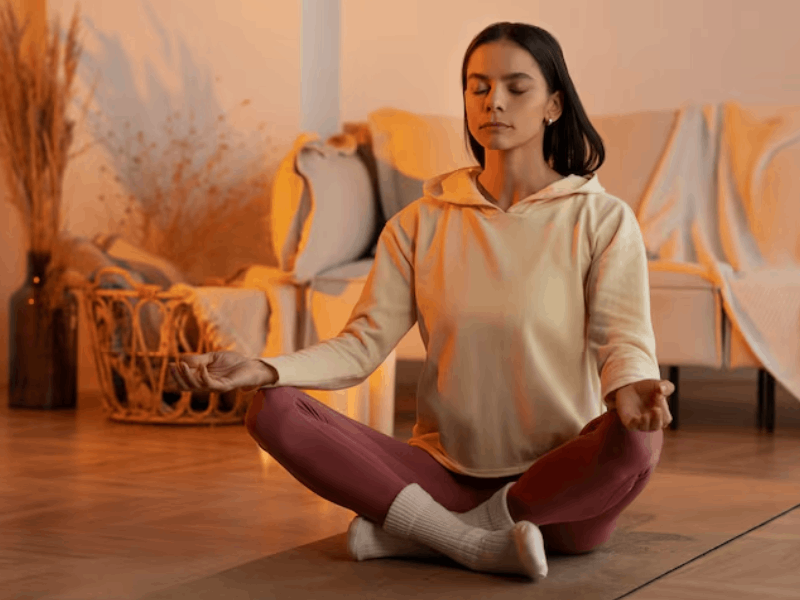
Meditation for Stress Relief Before Bed: A Night Routine Guide

After a long, stressful day, many people struggle to unwind and fall asleep. Meditation for stress relief before bed is a practical solution to calm your mind, release tension, and prepare your body for deep, restorative sleep. By integrating guided meditation, calming music, and simple nightly rituals, you can reduce anxiety and enhance overall sleep quality.

Creating a consistent night routine not only supports better rest but also strengthens mental clarity and emotional resilience. Even short sessions of 5–10 minutes can significantly lower stress hormones, helping you transition smoothly from wakefulness to sleep.

In this guide, we’ll explore step-by-step meditation techniques for nighttime relaxation, tips for building an effective night routine, and how combining meditation with soothing music can maximize your stress relief.

For complementary strategies, see: Guided Meditation for Better Sleep and Relaxation.

Why Meditation Works for Stress Relief at Night

Meditation helps relieve stress before bed by:

  • Lowering Cortisol Levels: Reduces stress hormone production.
  • Calming the Nervous System: Slows heart rate and promotes relaxation.
  • Clearing Mental Clutter: Eases racing thoughts that keep you awake.
  • Supporting Deep Sleep: Encourages longer, more restorative REM cycles.

Research shows that regular meditation before bedtime can reduce perceived stress by up to 30% and improve sleep efficiency by 20% (Sleep Health Journal, 2023).

Step-by-Step Night Routine Meditation

Step 1 – Prepare Your Sleep Space

  • Dim lights, silence notifications, and make your bed comfortable.
  • Use headphones or speakers for guided meditation or music.

Step 2 – Guided Breathing Practice

  • Inhale deeply through your nose, exhale slowly through your mouth.
  • Follow audio cues if using a guided meditation.

Step 3 – Body Scan

  • Mentally scan from head to toe, releasing tension in each area.
  • Visualize each body part relaxing progressively.

Step 4 – Visualization and Relaxation

  • Imagine a peaceful scene, like a beach or forest.
  • Engage all senses to deepen relaxation.

Step 5 – Drift Into Sleep

  • Continue listening until you naturally fall asleep.
  • Avoid overthinking; let thoughts pass without judgment.

Pair this with soothing music: Meditation Music for Sleep: How It Improves Deep Rest.

Tips for Maximizing Nighttime Meditation

  • Consistency: Practice at the same time every night.
  • Combine Music and Guidance: Music enhances the meditation experience.
  • Keep Sessions Short: 5–15 minutes is sufficient for stress relief.
  • Eliminate Distractions: Silence phones and dim lights.
  • Track Sleep Benefits: Observe improvements in mood and focus during the day.

Common Mistakes to Avoid

  • Skipping Practice: Nightly meditation is most effective when consistent.
  • Using Stimulating Audio: Avoid loud, fast-paced music.
  • Meditating Too Late: Avoid sessions immediately after intense activities.
  • Expecting Instant Sleep: Benefits accumulate over time, not instantly.

Conclusion

Meditation for stress relief before bed is an effective, beginner-friendly way to calm your mind, reduce anxiety, and improve the quality of your sleep. By combining guided meditation with soothing music and a consistent night routine, you create an environment that encourages relaxation and restorative rest. Even short sessions can significantly lower stress levels, making it easier to transition from a busy day to deep sleep.

By practicing regularly and following a structured bedtime routine, you can experience better sleep, improved mental clarity, and enhanced emotional balance.

Ready to end your day peacefully? Start your stress-relief meditation tonight and enjoy calmer, more restorative sleep!
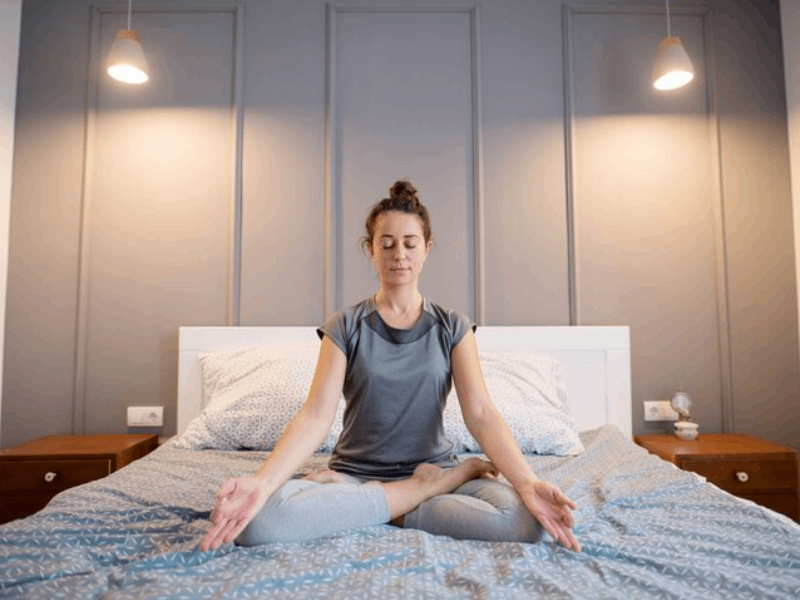
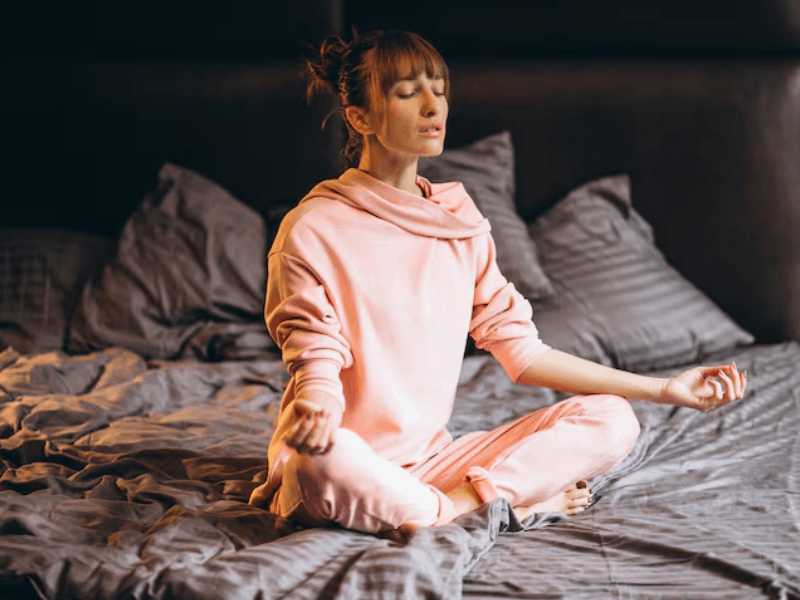
Guided Meditation for Better Sleep and Relaxation

Struggling with restless nights or stress-filled evenings? Guided meditation for better sleep and relaxation can help you calm the mind, release tension, and transition smoothly into deep, restorative rest. By combining soothing audio instructions with relaxation techniques, guided meditation provides structure and focus, especially for beginners who may find silent meditation challenging.

In today’s high-stress world, consistent sleep is critical for mental clarity, emotional balance, and overall well-being. Using guided sessions, either at home or via apps, can make it easier to fall asleep faster, stay asleep longer, and wake up refreshed.

This guide explores effective guided meditation techniques for sleep, practical tips for integrating them into your nightly routine, and the benefits of pairing meditation with music for optimal relaxation.

For complementary strategies, see: Meditation Music for Sleep: How It Improves Deep Rest.

How Guided Meditation Improves Sleep

Guided meditation supports better sleep by:

  • Reducing Stress and Anxiety: Calms racing thoughts that keep you awake.
  • Promoting Mindfulness: Encourages awareness and acceptance of the present moment.
  • Relaxing the Body: Lowers heart rate and muscle tension.
  • Enhancing Sleep Quality: Improves REM sleep and total sleep duration.

A 2023 study found that adults practicing guided meditation before bedtime fell asleep 15% faster and experienced 20% better sleep quality.

Step-by-Step Guided Meditation for Sleep

Step 1 – Prepare Your Space

  • Dim the lights, silence notifications, and settle into a comfortable position.
  • Use headphones or speakers for clear audio.

Step 2 – Focus on Breathing

  • Inhale deeply and exhale slowly.
  • Count your breaths or follow the instructor’s cues.

Step 3 – Body Scan

  • Mentally scan from head to toe, releasing tension in each area.
  • Notice sensations without judgment.

Step 4 – Visualization

  • Imagine a calm, peaceful environment.
  • Engage all your senses to deepen relaxation.

Step 5 – Let Go and Drift

  • Allow thoughts to pass without attachment.
  • Continue listening until you naturally drift into sleep.

For shorter meditations before bed, check: Meditation for Stress Relief Before Bed: A Night Routine Guide.

Tips for Maximizing Guided Sleep Meditation

  • Consistency is Key: Practice at the same time every night.
  • Combine with Music: Pair guided sessions with calming meditation music for deeper relaxation.
  • Keep It Comfortable: Ensure a supportive chair or bed position.
  • Start Small: Even 5–10 minutes can make a difference.
  • Track Sleep Improvements: Notice how you feel in the morning.

Common Mistakes to Avoid

  • Skipping Routine: Inconsistent practice reduces benefits.
  • Multitasking: Avoid screens or distractions during meditation.
  • Expecting Instant Sleep: Meditation improves sleep over time, not immediately.
  • Using Stimulating Audio: Avoid upbeat or loud tracks.

Conclusion

Guided meditation for better sleep and relaxation is a practical, beginner-friendly tool to calm the mind, reduce stress, and enhance restorative sleep. By following structured sessions that focus on breathing, body awareness, and visualization, you can train your mind to transition smoothly from wakefulness to deep rest.

Pairing guided meditation with meditation music or short nightly routines further amplifies its benefits, helping you fall asleep faster, stay asleep longer, and wake up refreshed. Consistency and a dedicated sleep environment are key to unlocking the full potential of these practices.

Ready to enjoy deeper, more restorative sleep? Start your guided meditation for sleep tonight and wake up refreshed and recharged!

Meditation Music for Sleep: How It Improves Deep Rest

Struggling to fall asleep or stay rested? Meditation music for sleep can be a simple yet powerful tool to improve relaxation and enhance the quality of your rest. Many people underestimate the impact of sound and rhythm on the mind. Calming music can slow your heart rate, reduce stress, and guide your brain into a deeper sleep state.

In today’s fast-paced world, sleep disturbances are common. Stress, anxiety, and overstimulation from screens make it difficult to relax naturally. Using guided meditation or meditation music designed for sleep can help you transition smoothly from wakefulness to restorative rest, ensuring your body and mind recover fully overnight.

In this guide, we’ll explore how meditation music improves deep rest, techniques for incorporating it into your bedtime routine, and tips for maximizing the benefits.

For additional relaxation, see: Meditation for Stress Relief Before Bed: A Night Routine Guide.

How Meditation Music Enhances Sleep

Meditation music supports sleep by:

  • Calming the Nervous System: Slows heart rate and lowers cortisol.
  • Reducing Mental Clutter: Encourages relaxation and fewer racing thoughts.
  • Guiding Brainwaves: Promotes alpha and theta waves associated with restful sleep.
  • Supporting Deep Sleep: Improves duration of restorative REM sleep stages.

Research shows that listening to calming music before bed can improve sleep quality by up to 65% for adults with mild sleep disturbances (Journal of Sleep Research, 2023).

Tip: Choose music with a slow tempo (50–60 bpm) and minimal lyrics for maximum relaxation.

Best Meditation Music Practices for Sleep

Use Consistent Sleep Tracks

  • Pick one or two favorite calming tracks.
  • Consistency signals your body that it’s bedtime.

Pair Music with Guided Meditation

  • Combine meditation music with sleep-focused guided sessions.
  • Follow cues for breathing, body scan, or progressive relaxation.

Create a Bedtime Routine

  • Start music 10–15 minutes before bed.
  • Dim lights and avoid screens to enhance effectiveness.

Headphones or Speakers

  • Use comfortable headphones or a speaker at low volume.
  • Avoid abrupt sounds or distractions.

For more techniques, explore: Guided Meditation for Better Sleep and Relaxation.

How Meditation Music Reduces Stress

  • Lowers Anxiety: Slow, melodic music reduces cortisol levels.
  • Promotes Mindfulness: Encourages presence and awareness of breathing.
  • Eases Tension: Helps relax muscles and mental tension before sleep.

Tip: Even daytime listening to meditation music can lower stress, improving your readiness for deep sleep at night.

Choosing the Right Meditation Music

Feature Recommended Choices Notes
Tempo 50–60 bpm Matches resting heart rate
Composition Ambient, nature sounds, binaural beats Avoid fast rhythms or lyrics
Duration 20–60 minutes Enough for full relaxation
Accessibility Apps, playlists, or downloadable tracks Choose what fits your routine


Common Mistakes to Avoid

  • Using Distracting Music: Avoid songs with lyrics or sudden tempo changes.
  • Ignoring Volume: Too loud music can disrupt sleep cycles.
  • Skipping Routine: Music is most effective when paired with a consistent bedtime routine.
  • Overloading Playlist: Multiple tracks may interrupt sleep flow.

Conclusion

Meditation music for sleep is a natural, accessible method to enhance deep rest, reduce stress, and support overall well-being. By incorporating consistent music and guided meditation into your bedtime routine, you can calm your nervous system, ease mental clutter, and enjoy more restorative sleep each night.

Whether you’re struggling with occasional insomnia or looking to improve overall sleep quality, using meditation music strategically can transform your nights. Consistency, proper track selection, and pairing with guided meditation make the practice most effective.

Ready to sleep better tonight? Start listening to meditation music for deep rest and experience calmer, more rejuvenating sleep!

Meditation for Mental Clarity: Techniques to Sharpen Focus

Feeling distracted, overwhelmed, or mentally fatigued? A dedicated meditation practice for mental clarity can help you sharpen focus, enhance decision-making, and manage daily stress more effectively. Even short sessions, like 5 or 10 minutes, can deliver noticeable improvements in concentration and cognitive performance.

This type of meditation is increasingly popular among professionals, students, and anyone seeking to optimize their mental energy without committing to long sessions. By learning guided meditation practices specifically designed for mental clarity, you can improve productivity, stay present, and reduce mental clutter.

In this guide, we’ll explore effective meditation techniques to sharpen focus, compare different session lengths, and provide practical tips for integrating these exercises into your daily routine.

New to short meditations? Start here: 5 Minute Meditation Practice You Can Do Anywhere.

How Meditation Enhances Mental Clarity

Meditation works by calming the mind and improving attention:

  • Reduces Mental Clutter: Clears distracting thoughts.
  • Improves Focus: Strengthens attention span for work or study.
  • Boosts Cognitive Performance: Enhances memory and decision-making.
  • Supports Emotional Balance: Helps prevent stress-induced mental fog.

Research indicates that consistent meditation for 10–15 minutes daily can improve attention span by 20% within 4–6 weeks.

Tip: Even micro-sessions throughout the day can accumulate benefits for clarity and focus.

Techniques to Sharpen Mental Focus

Mindful Breathing

  • Focus on your breath as it enters and exits your nose.
  • Count your breaths or silently note “inhale/exhale.”
  • Gently return focus if the mind wanders.

Body Scan for Awareness

  • Slowly scan your body from head to toe.
  • Notice tension or sensations without judgment.
  • Release stress physically and mentally as you scan.

Visualization Meditation

  • Picture a calm place, task, or goal.
  • Mentally rehearse focus and clarity in your actions.
  • Strengthens intention and mental presence.

Single-Pointed Focus

  • Choose one object, mantra, or sound.
  • Maintain attention on it exclusively for several minutes.
  • Helps build sustained concentration.

For a time-efficient practice, try: 10 Minute Guided Meditation for Busy Professionals.

Choosing the Right Session Length

Session Length Benefits Ideal For
5 Minutes Quick reset, on-the-go clarity Beginners, busy schedules
10 Minutes Deeper focus, reduced mental fatigue Professionals, students
15+ Minutes Intensive mental clarity, stress reduction Daily routine, meditation enthusiasts

Tip: Start small and gradually increase session length as your focus improves.

Tips for Consistency and Maximum Benefits

  • Schedule Daily: Set a consistent meditation time.
  • Minimize Distractions: Silence notifications or use headphones.
  • Use Guided Meditations: Helpful for maintaining structure and focus.
  • Track Progress: Note improvements in clarity and attention span.
  • Combine Techniques: Alternate between breathing, visualization, and focus practices.

Pro Tip: Even two 5-minute sessions spaced throughout the day can be as effective as a single longer session.

Common Mistakes to Avoid

  • Expecting Instant Focus: Mental clarity develops over time.
  • Overthinking Technique: Simple awareness is enough; perfection is unnecessary.
  • Skipping Practice: Consistency matters more than length.
  • Neglecting Breaks: Meditation is a tool, not a replacement for rest.

Conclusion

Meditation for mental clarity is a practical and accessible way to sharpen focus, manage stress, and enhance productivity. Short, consistent sessions,  whether 5, 10, or 15 minutes,  can dramatically improve attention, cognitive performance, and emotional balance. By practicing mindful breathing, body scans, visualization, or single-pointed focus, you can train your mind to stay present and perform at its best.

The key is to start small, stay consistent, and gradually integrate longer sessions or varied techniques as you progress.

Ready to sharpen your focus and boost clarity? Start your meditation for mental clarity today and experience the benefits in your daily life!

10 Minute Guided Meditation for Busy Professionals

Busy schedules, constant notifications, and high-pressure environments can leave professionals feeling overwhelmed and mentally drained. A 10-minute guided meditation offers a simple yet powerful way to reset your mind, reduce stress, and regain focus, even on the busiest days.

Unlike longer sessions, short guided meditation practices are designed to fit into tight schedules while still delivering meaningful benefits. Whether you’re at your desk, taking a break, or transitioning between meetings, dedicating just 10 minutes to mindfulness can improve productivity, emotional balance, and overall well-being.

In this guide, you’ll learn a step-by-step 10-minute meditation routine, understand its benefits, and discover how to incorporate it into your daily professional life.

Why 10 Minute Guided Meditation Works

A 10-minute session strikes the perfect balance between efficiency and depth:

  • Deeper Relaxation: More time allows your mind to settle beyond surface-level stress.
  • Improved Focus: Enhances concentration and decision-making.
  • Stress Reduction: Activates the body’s relaxation response.
  • Easy to Maintain: Fits into breaks, lunch hours, or transitions between tasks.

Studies show that 10-minute daily meditation sessions can improve focus and reduce stress by up to 30% within a few weeks of consistent practice.

Step-by-Step 10 Minute Guided Meditation

Follow this structured routine:

Minute 1–2: Settle In

  • Sit comfortably with your back straight.
  • Close your eyes or soften your gaze.
  • Take a few deep breaths to relax your body.

Minutes 3–5: Focus on Breath

  • Bring attention to your natural breathing rhythm.
  • Notice the sensation of air entering and leaving your body.

Minute 6–8: Guided Awareness

  • Observe thoughts without judgment.
  • If your mind wanders, gently bring it back to your breath.

Minute 9–10: Recenter and Reflect

  • Take a deep breath and notice how you feel.
  • Set an intention for the rest of your day.

Tip: Use a guided meditation app or audio to stay focused and structured.

Best Times for Busy Professionals to Meditate

  • Before Work: Start your day with clarity and calm.
  • Midday Break: Reset your focus during lunch or between meetings.
  • After Work: Transition from work mode to relaxation.
  • Before Important Tasks: Improve concentration and reduce anxiety.

For enhancing focus further, see: Meditation for Mental Clarity: Techniques to Sharpen Focus.

10 Minute vs 5 Minute Meditation

Feature 5 Minute Meditation 10 Minute Meditation
Time commitment Very low Moderate
Depth Quick reset Deeper relaxation
Best for Quick breaks Focus and clarity
Ideal users Beginners, tight schedules Professionals seeking balance

Key Insight: Start with 5 minutes and gradually move to 10 minutes for deeper mental benefits.

Tips to Stay Consistent with Meditation

  • Schedule It: Block time in your calendar like a meeting.
  • Use Guided Sessions: Helps maintain focus and structure.
  • Start Small: Build from 5 to 10 minutes gradually.
  • Create a Routine: Practice at the same time daily.
  • Track Progress: Notice improvements in focus and stress levels.

Build your habit with: 5 Minute Meditation Practice You Can Do Anywhere.

Common Challenges and How to Overcome Them

  • “I Don’t Have Time” → Use breaks or transition periods.
  • Difficulty Focusing → Use guided meditation for support.
  • Inconsistent Practice → Set reminders or pair with daily habits.
  • Restlessness → Accept it as part of the process and continue.

Conclusion

A 10-minute guided meditation is a practical and effective tool for busy professionals seeking balance, focus, and stress relief. By dedicating just a few minutes each day, you can improve productivity, enhance mental clarity, and cultivate a sense of calm even in high-pressure environments.

Whether you practice in the morning, during work breaks, or before important tasks, consistency is the key to unlocking long-term benefits. Combining short sessions with guided support makes meditation accessible and sustainable, even with a demanding schedule.

Ready to take control of your focus and stress? Start your 10-minute guided meditation today and experience the difference in your daily performance and wellbeing!

5 Minute Meditation Practice You Can Do Anywhere

Think you don’t have time to meditate? Think again. A 5-minute meditation practice can be enough to reduce stress, improve focus, and reset your mind,  no matter where you are. Whether you’re at work, commuting, or taking a break at home, short guided meditation practices are designed to fit seamlessly into your day.

In today’s fast-paced world, many people struggle to find time for long meditation sessions. That’s why quick, effective techniques are gaining popularity. Even just a few minutes of mindful breathing or awareness can bring noticeable benefits to your mental clarity and emotional balance.

In this guide, you’ll learn how to do a simple 5-minute meditation, explore its benefits, and discover practical ways to integrate it into your daily routine.

Why a 5 Minute Meditation Practice Works

Short meditation sessions are surprisingly effective:

  • Quick Stress Relief: Even brief mindfulness reduces cortisol levels.
  • Improved Focus: Helps reset attention and improve productivity.
  • Accessible Anywhere: No special equipment or environment needed.
  • Builds Consistency: Easier to stick with daily than longer sessions.

Research shows that even 5 minutes of mindfulness practice can improve focus and reduce stress by up to 20% when practiced consistently over time.

Tip: The key is not duration but consistency; short daily practice leads to long-term benefits.

Step-by-Step 5 Minute Meditation Practice

Follow this simple process anytime, anywhere:

  1. Find a Comfortable Position
  • Sit or stand comfortably, keeping your back straight.
  1. Close Your Eyes or Soften Your Gaze
  • Reduce distractions and bring attention inward.
  1. Focus on Your Breath
  • Notice each inhale and exhale.
  • Let your breath flow naturally without forcing it.
  1. Observe Your Thoughts
  • Thoughts will arise, acknowledge them without judgment.
  • Gently return focus to your breath.
  1. End with Awareness
  • After 5 minutes, take a deep breath and slowly return to your surroundings.

Tip: Use a timer or a short guided audio to stay on track.

Best Times to Practice 5 Minute Meditation

  • Morning: Start your day with clarity and calm.
  • Work Breaks: Reset your focus during busy schedules.
  • Before Meetings: Reduce anxiety and improve presence.
  • Evening: Wind down and release stress.

To improve focus further, see: Meditation for Mental Clarity: Techniques to Sharpen Focus.

Tips to Make Your Practice More Effective

  • Stay Consistent: Practice daily, even if only for 5 minutes.
  • Use Guided Meditation: Helpful for beginners learning structure.
  • Create a Cue: Link meditation to a daily habit (e.g., after coffee).
  • Avoid Perfectionism: Distractions are normal; gently refocus.

Tip: Over time, your 5-minute practice can naturally extend into longer sessions as your comfort grows.

5 Minute vs 10 Minute Meditation

Feature 5 Minute Meditation 10 Minute Meditation
Time commitment Very low Moderate
Accessibility Anywhere, anytime Requires more planning
Effectiveness Quick reset Deeper relaxation
Best for Busy schedules More focused sessions

Key Insight: Start with 5 minutes and gradually increase to 10 minutes for deeper benefits.

Try this next: 10 Minute Guided Meditation for Busy Professionals.

Common Mistakes to Avoid

  • Expecting Instant Results: Benefits build over time.
  • Forcing Focus: Let attention flow naturally.
  • Skipping Practice: Consistency matters more than duration.
  • Judging Yourself: Meditation is about awareness, not perfection.

Conclusion

A 5-minute meditation practice is one of the simplest and most effective ways to reduce stress, improve focus, and bring calm into your daily life. Whether you’re at work, home, or on the go, these quick guided meditation practices can help you reset your mind and build a consistent mindfulness habit.

The key is to start small and stay consistent. Over time, even a few minutes each day can lead to noticeable improvements in mental clarity, emotional balance, and overall wellbeing.

Ready to experience the benefits of quick meditation? Start your 5-minute meditation practice today and take the first step toward a calmer, more focused life!

Buddhist vs Secular Meditation in Nevada: What’s the Difference?

If you’re exploring Buddhist meditation in Las Vegas, you may come across another popular approach: secular meditation. While both practices offer powerful benefits for stress relief, focus, and emotional balance, they differ in philosophy, techniques, and overall goals.

Understanding these differences is essential, especially for beginners looking to choose a practice that aligns with their personal beliefs and lifestyle. Whether you’re considering Buddhist meditation in Nevada or a more modern secular meditation approach, knowing what sets them apart can help you build a consistent and meaningful meditation routine.

In this guide, we’ll break down the key differences between Buddhist and secular meditation, explore their benefits, and help you decide which approach is right for you.

New to meditation? Start here: Introduction to Buddhist Meditation Las Vegas for Beginners.

What Is Buddhist Meditation?

Buddhist meditation is rooted in ancient teachings focused on awareness, compassion, and insight.

  • Core Practices: Mindfulness (Vipassana), concentration (Samatha), and loving-kindness (Metta).
  • Purpose: Reduce suffering and cultivate wisdom and compassion.
  • Philosophy: Often includes ethical and spiritual elements, though modern classes may present it in a practical way.

Tip: Many programs in Las Vegas teach Buddhist meditation in an accessible, non-religious format suitable for beginners.

What Is Secular Meditation?

Secular meditation is a modern adaptation of traditional techniques, designed for practical, everyday use.

  • Focus: Stress reduction, productivity, and mental clarity.
  • Approach: Non-religious and science-based.
  • Techniques: Breath awareness, guided meditation, and mindfulness exercises.

Example: Many workplace wellness programs and apps use secular meditation to improve focus and reduce stress.

Key Differences Between Buddhist and Secular Meditation

Aspect Buddhist Meditation Secular Meditation
Origin Ancient Buddhist traditions Modern adaptation
Focus Insight, compassion, awareness Stress relief, focus
Philosophy May include spiritual elements Non-religious
Techniques Vipassana, Metta, Samatha Mindfulness, guided meditation
Goal Reduce suffering, develop wisdom Improve well-being and productivity

Key Insight: While the foundations overlap, the intention behind each approach can differ significantly.

Benefits of Each Approach

Benefits of Buddhist Meditation

  • Deep emotional transformation
  • Increased compassion and empathy
  • Greater self-awareness and insight
  • Long-term mental clarity and resilience

Benefits of Secular Meditation

  • Quick stress relief and relaxation
  • Improved focus and productivity
  • Easy integration into daily routines
  • Accessible for beginners without a philosophical background

A 2023 report found that both approaches can reduce stress levels by 30–40%, depending on consistency and practice duration.

Which Meditation Style Is Right for You?

Choosing between the two depends on your goals:

  • Choose Buddhist Meditation if you:
    • Want deeper personal growth and emotional insight
    • Are interested in compassion-based practices
    • Prefer a more traditional approach
  • Choose Secular Meditation if you:
    • Want practical stress relief and focus improvement
    • Prefer a non-religious approach
    • Need techniques that fit easily into a busy schedule

Tip: Many practitioners combine both approaches for a balanced meditation routine.

Combining Both Approaches for Best Results

You don’t have to choose just one. Combining techniques can maximize benefits:

  • Use secular meditation for daily stress management and productivity.
  • Practice Buddhist meditation for deeper emotional and mental development.
  • Incorporate loving-kindness meditation to enhance compassion and relationships.

Learn more about compassion-based meditation here: Loving Kindness Meditation Practice: A Core Buddhist Meditation Technique.

Conclusion

Both Buddhist meditation in Las Vegas and secular meditation in Nevada offer valuable tools for improving mental clarity, reducing stress, and enhancing emotional well-being. While Buddhist meditation focuses on deeper awareness and compassion, secular meditation emphasizes practical, everyday benefits like focus and relaxation.

The best approach depends on your goals, lifestyle, and personal preferences. Many beginners find success by starting with simple mindfulness techniques and gradually exploring deeper practices like loving-kindness meditation.

Ready to explore meditation that fits your lifestyle? Join a meditation class in Las Vegas and discover the benefits of both Buddhist and secular practices today!

Loving Kindness Meditation Practice: A Core Buddhist Meditation Technique

Looking for a meditation practice that not only calms your mind but also opens your heart? Loving kindness meditation practice, a core element of Buddhist meditation in Las Vegas, focuses on cultivating compassion, empathy, and emotional balance.

This technique, also known as Metta meditation, is widely practiced in both traditional Buddhist meditation in Nevada and modern mindfulness programs. It is especially beneficial for reducing stress, easing anxiety, and improving relationships by fostering positive emotions toward yourself and others.

In this guide, we’ll explore what loving-kindness meditation is, how it works, its benefits, and a step-by-step approach to practicing it. Whether you’re a beginner or looking to deepen your mindfulness journey, this technique can transform your emotional well-being.

New to Buddhist meditation? Start here: Introduction to Buddhist Meditation Las Vegas for Beginners.

What Is Loving Kindness Meditation?

Loving-kindness meditation (Metta) is a practice that focuses on generating feelings of compassion and goodwill.

  • Self-Compassion: Begin by directing kindness toward yourself.
  • Expanding Circles: Gradually extend these feelings to others, loved ones, acquaintances, and even difficult people.
  • Universal Compassion: Ultimately, extend kindness to all beings.

Unlike purely concentration-based meditation, this practice emphasizes emotional transformation and connection.

“You yourself, as much as anybody in the entire universe, deserve your love and affection.”

Benefits of Loving Kindness Meditation Practice

Practicing this technique regularly offers powerful benefits:

Emotional Wellbeing

  • Reduces negative emotions like anger and resentment.
  • Promotes feelings of happiness, gratitude, and compassion.

Stress and Anxiety Reduction

  • Calms the mind and lowers stress levels.
  • Supports relaxation and emotional resilience.

Improved Relationships

  • Encourages empathy and understanding toward others.
  • Helps resolve conflicts and improve communication.

Scientific Support

  • Studies show loving-kindness meditation can increase positive emotions by over 40% within weeks of consistent practice (Mindfulness Research Institute, 2023).

Step-by-Step Guide to Loving Kindness Meditation

Follow this simple process to get started:

  1. Find a Quiet Space: Sit comfortably and close your eyes.
  2. Focus on Your Breath: Take a few slow, deep breaths to relax.
  3. Repeat Positive Phrases:
  • “May I be happy.”
  • “May I be healthy.”
  • “May I be safe.”
  1. Expand to Others:
  • A loved one
  • A neutral person
  • A difficult person
  1. Extend to All Beings: Wish happiness and peace for everyone.

Tip: Start with 5–10 minutes daily and gradually increase your practice time.

Loving Kindness vs Other Meditation Techniques

Technique Focus Outcome
Loving Kindness (Metta) Compassion & empathy Emotional balance, connection
Mindfulness (Vipassana) Awareness of the present moment Clarity, reduced stress
Concentration (Samatha) Focus on one object Deep calm and focus

Key Insight: Loving-kindness meditation complements mindfulness and concentration practices, creating a more balanced meditation routine.

For a broader comparison, see: Buddhist vs Secular Meditation, Nevada: What’s the Difference?.

Tips for Beginners to Succeed

  • Start with Yourself: Building self-compassion is essential before extending kindness outward.
  • Be Consistent: Daily practice creates lasting emotional change.
  • Use Guided Sessions: Helpful for beginners learning the structure.
  • Be Patient: Emotional growth takes time; don’t rush the process.
  • Stay Genuine: Focus on truly feeling the phrases, not just repeating them.

How to Practice in Daily Life

  • Morning Routine: Begin your day with positive intentions.
  • During stressful moments, pause and silently repeat kindness phrases.
  • Before Sleep: Reflect on your day with compassion and gratitude.
  • In Relationships: Use the practice to improve empathy and communication.

Tip: Integrating loving-kindness meditation into daily life enhances its long-term benefits.

Conclusion

Loving kindness meditation practice is a powerful technique within Buddhist meditation in Las Vegas, offering a unique blend of emotional healing, stress relief, and personal growth. By cultivating compassion for yourself and others, you can reduce anxiety, improve relationships, and create a deeper sense of inner peace.

Whether practiced alone or alongside mindfulness meditation, this technique provides a meaningful way to transform your emotional landscape. With consistent practice, even a few minutes a day can lead to lasting positive changes.

Ready to cultivate compassion and inner peace? Join a Buddhist meditation class in Las Vegas and start your loving-kindness meditation journey today!

Introduction to Buddhist Meditation Las Vegas for Beginners

Curious about meditation but unsure where to start? Buddhist meditation in Las Vegas offers a beginner-friendly path to developing mindfulness, reducing stress, and cultivating inner peace. Rooted in centuries-old traditions, these practices are now widely used in modern settings to improve mental clarity and emotional well-being.

Whether you’re exploring Buddhist meditation in Nevada or comparing it with secular meditation approaches, learning the fundamentals can help you build a consistent and meaningful practice. Many beginners are drawn to Buddhist meditation because of its simplicity, accessibility, and proven benefits for stress and focus.

In this guide, we’ll introduce key Buddhist meditation techniques, explain their benefits, and provide practical tips for getting started in Las Vegas.

What Is Buddhist Meditation?

Buddhist meditation is a set of practices designed to train the mind, increase awareness, and cultivate compassion.

  • Mindfulness (Sati): Awareness of the present moment without judgment.
  • Concentration (Samadhi): Focused attention on a single object, such as the breath.
  • Insight (Vipassana): Understanding the nature of thoughts, emotions, and reality.

Unlike purely relaxation-based methods, Buddhist meditation emphasizes awareness, understanding, and transformation of the mind.

Tip: Beginners should start with simple breath-focused mindfulness before exploring deeper techniques.

Benefits of Buddhist Meditation for Beginners

Practicing Buddhist meditation in Las Vegas offers both immediate and long-term benefits:

  • Stress Reduction: Calms the mind and reduces anxiety.
  • Improved Focus: Enhances concentration and mental clarity.
  • Emotional Balance: Encourages non-reactivity and compassion.
  • Greater Self-Awareness: Helps you understand thoughts and habits.
  • Better Wellbeing: Supports overall mental and emotional health.

A 2023 mindfulness study found that participants practicing Buddhist meditation techniques reported a 45% improvement in emotional regulation within 8 weeks.

Common Buddhist Meditation Techniques

Mindfulness Meditation (Vipassana)

  • Focus on breath, body, or sensations.
  • Observe thoughts without judgment.

Loving-Kindness Meditation (Metta)

  • Cultivate compassion and positive emotions.
  • Repeat phrases like “May I be happy, may others be safe.”

Concentration Meditation (Samatha)

  • Focus on a single object, such as breathing or a mantra.
  • Develop deep states of calm and focus.

Learn more about compassion-based practice here: Loving Kindness Meditation Practice: A Core Buddhist Meditation Technique.

Buddhist vs Secular Meditation in Nevada

Understanding the difference helps you choose the right approach:

Feature Buddhist Meditation Secular Meditation
Origin Ancient Buddhist teachings Modern adaptation
Focus Mindfulness, insight, compassion Stress relief, focus
Philosophy Includes ethical and spiritual elements Non-religious, practical
Techniques Vipassana, Metta, Samatha Mindfulness, breathing exercises

Key Insight: Many programs in Nevada blend both approaches, making Buddhist meditation accessible without requiring religious commitment.

For a deeper comparison, see: Buddhist vs Secular Meditation Nevada: What’s the Difference?.

How to Get Started with Buddhist Meditation in Las Vegas

  1. Start Small: Begin with 5–10 minutes of daily practice.
  2. Focus on Breath: Use breathing as your anchor.
  3. Join a Class: In-person sessions provide guidance and structure.
  4. Stay Consistent: Practice daily to build a habit and awareness.
  5. Be Patient: Progress takes time; avoid judging your practice.

Tip: Beginners benefit greatly from guided sessions or group meditation for accountability and support.

Tips for Beginners to Succeed

  • Create a Routine: Practice at the same time each day.
  • Use Guided Resources: Audio sessions help maintain focus.
  • Avoid Perfectionism: Meditation is about awareness, not control.
  • Stay Curious: Observe thoughts and experiences without judgment.

“Meditation is not about becoming a different person, but about seeing who you already are.”

Conclusion

Buddhist meditation in Las Vegas offers a powerful, beginner-friendly way to develop mindfulness, reduce stress, and cultivate inner peace. With techniques like mindfulness, loving-kindness, and concentration meditation, you can build a practice that enhances both mental clarity and emotional balance.

Whether you explore traditional approaches or modern adaptations, the key is consistency and openness to the experience. Starting small, attending classes, and practicing regularly will help you gain the full benefits of meditation over time.

Ready to begin your journey? Join a Buddhist meditation class in Las Vegas and discover the path to calm, clarity, and mindful living today!

Why Meditation Groups in Nevada Improve Consistency and Motivation

Meditation is most effective when practiced consistently, yet many individuals struggle to maintain a regular routine. Meditation groups in Nevada provide the structure, accountability, and community support needed to stay on track while deepening your practice.

Whether you attend in-person meditation sessions in Nevada or Sunday meditation in Las Vegas, group settings encourage commitment, motivation, and a shared energy that enhances focus and mindfulness. By practicing alongside others, participants not only improve their meditation consistency but also gain emotional support, guidance, and inspiration from instructors and fellow meditators.

In this article, we’ll explore why joining a meditation group improves consistency and motivation, the psychological and social benefits of group practice, and tips for selecting a group that fits your lifestyle.

Accountability and Routine Formation

  • Scheduled Sessions: Attending regular group sessions helps establish a consistent meditation routine.
  • Peer Motivation: Seeing others’ commitment encourages you to show up.
  • Instructor Guidance: Provides structure and direction, preventing aimless or inconsistent practice.

Research shows that individuals attending meditation groups are 35% more likely to maintain a daily meditation habit compared to solo practitioners.

Community Support Boosts Motivation

  • Shared Goals: Group members motivate each other toward mindfulness objectives.
  • Positive Energy: Collective meditation amplifies focus and engagement.
  • Encouragement: Feedback and guidance from peers reinforce confidence and commitment.

Example: Many groups incorporate reflection or discussion periods where participants share challenges and successes, reinforcing motivation.

Psychological Benefits of Group Meditation

  • Reduced Feelings of Isolation: Being part of a group enhances belonging and reduces stress.
  • Enhanced Focus and Mindfulness: Collective practice increases attentiveness and mental clarity.
  • Emotional Balance: Shared energy and support help manage anxiety and cultivate resilience.

Tip: Beginners benefit most from groups that provide structured guidance and a welcoming environment.

How to Choose the Right Meditation Group in Nevada

  • Schedule: Consistent weekly sessions make it easier to stick with practice.
  • Instructor Credentials: Certified instructors ensure quality guidance.
  • Class Size: Small groups allow personalized feedback; large groups provide shared energy.
  • Trial Options: Attend a session before committing to see if the group’s style suits you.

For general benefits of joining a meditation group, see: Benefits of Joining a Meditation Group Las Vegas.

Tips to Maximize Your Group Meditation Experience

  1. Commit to Regular Attendance: Consistency is key to habit formation.
  2. Participate Actively: Engage in discussions, follow guidance, and practice with intention.
  3. Combine with Solo Practice: Reinforce group learning with individual sessions at home.
  4. Track Your Progress: Journaling reflections improves mindfulness and motivation.

To complement weekly practice, see: Sunday Meditation Las Vegas: A Perfect Way to Reset Your Week.

Conclusion

Joining meditation groups in Nevada significantly enhances consistency, motivation, and overall mindfulness practice. The combination of structured sessions, community support, and instructor guidance ensures participants stay committed and experience deeper benefits from meditation.

Whether you join Sunday meditation sessions in Las Vegas or attend regular in-person classes, group practice provides accountability, shared energy, and emotional support, making meditation easier to maintain and more rewarding.

Ready to boost your meditation consistency and motivation? Find a meditation group in Nevada today and take the next step toward a regular, fulfilling mindfulness practice!