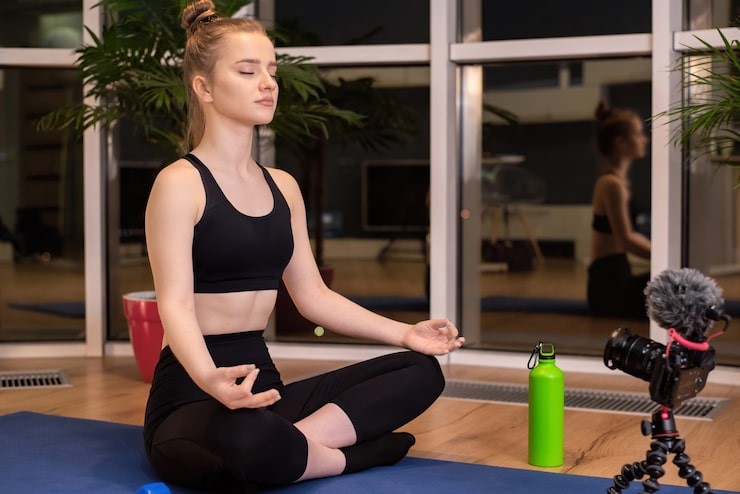

Meditation Music for Sleep to Help You Relax and Fall Asleep Faster

Sleep is essential for your physical and mental wellbeing, yet many people struggle to fall asleep due to stress, overthinking, and daily pressures. A simple and effective way to support better sleep is through meditation music for sleep. This gentle practice helps calm the mind, relax the body, and prepare you for deep rest.

At Suffering Is Optional Meditation, the focus is on practical techniques that integrate easily into daily life. Using sound as a tool can enhance both relaxation and awareness, making it a powerful form of stress relief meditation.

What is meditation music for sleep

Meditation music for sleep refers to calming audio designed to slow down your thoughts and guide your mind into a relaxed state. It often includes soft instrumentals, ambient sounds, or slow rhythmic tones that support relaxation.

Unlike stimulating music, this type of sound encourages stillness. It gently shifts your attention away from worries and helps create a peaceful mental environment.

This makes it an excellent support tool for both stress relief meditation and mindfulness meditation, especially before bedtime.

How meditation music for sleep works

Your mind is highly sensitive to sound. Certain frequencies and rhythms can influence your mental and emotional state. Meditation music for sleep uses slow tempos and soothing tones to activate your body’s relaxation response.

As you listen, your heart rate begins to slow, your breathing becomes deeper, and your nervous system starts to calm down. This natural shift prepares your body for sleep.

When combined with mindfulness meditation, the effect becomes even stronger. You become more aware of your thoughts while gently letting them go.

Creating a bedtime routine with meditation music

Consistency is key when using meditation music for sleep. By incorporating it into your nightly routine, you signal to your body that it is time to relax.

Start by dimming the lights and reducing distractions. Lie down in a comfortable position and begin playing calming music. Close your eyes and focus on your breathing.

As you listen, allow your thoughts to pass without engagement. This simple practice supports stress relief meditation by helping you release mental tension accumulated throughout the day.

Combining music with mindfulness meditation

While meditation music for sleep is effective on its own, combining it with mindfulness meditation enhances the experience.

Bring your awareness to the sounds you hear. Notice the different layers of the music without analyzing them. If your mind wanders, gently return your focus to the sound.

This practice strengthens your ability to stay present, which is the foundation of mindfulness meditation. It also helps quiet mental chatter, making it easier to fall asleep.

Benefits for stress relief and relaxation

One of the main advantages of meditation music for sleep is its ability to reduce stress. After a long day, your mind may be filled with thoughts and concerns. Listening to calming music helps shift your focus away from these thoughts.

This creates a sense of calm that supports both stress relief meditation and emotional balance. As your mind relaxes, your body follows, allowing tension to release naturally.

Over time, this practice can improve your overall sleep quality and help you wake up feeling more refreshed.

Using meditation music for anxiety

If you experience anxiety at night, meditation music for sleep can be especially helpful. Anxiety often keeps the mind active, making it difficult to fall asleep.

Listening to calming sounds provides a gentle anchor for your attention. Instead of focusing on anxious thoughts, you focus on the music. This helps reduce mental overstimulation.

When combined with meditation for mental clarity, it becomes easier to let go of racing thoughts and settle into a peaceful state.

Building a consistent sleep practice

To get the most out of meditation music for sleep, consistency is important. Try to use it at the same time each night as part of your sleep routine.

Over time, your brain begins to associate the music with relaxation and sleep. This conditioning makes it easier to fall asleep faster.

You can also combine this practice with deep breathing or gentle body awareness. This enhances the effects of both stress relief meditation and mindfulness meditation.

Overcoming common challenges

At first, you may find it difficult to relax while listening to meditation music for sleep. Your mind might still feel active or distracted.

This is completely normal. Instead of trying to force relaxation, simply allow the music to play in the background while you observe your thoughts.

Another challenge is inconsistency. You may forget to use music every night. Try setting a reminder or linking it to an existing habit like brushing your teeth. The key is to keep your practice simple and pressure free.

A simple path to better sleep

Meditation music for sleep  is a gentle and effective way to support relaxation, reduce stress, and improve sleep quality. It works by calming your nervous system and guiding your mind into a peaceful state.

When combined with stress relief meditation and mindfulness meditation, it becomes a powerful tool for emotional balance and mental clarity.

At Suffering Is Optional Meditation, the focus is on making these practices accessible and easy to integrate into your life. You do not need complicated techniques to experience calm.

Start tonight. Play calming music, close your eyes, and allow yourself to relax. With consistent practice, meditation music for sleep can help you fall asleep faster and wake up feeling more rested and refreshed.
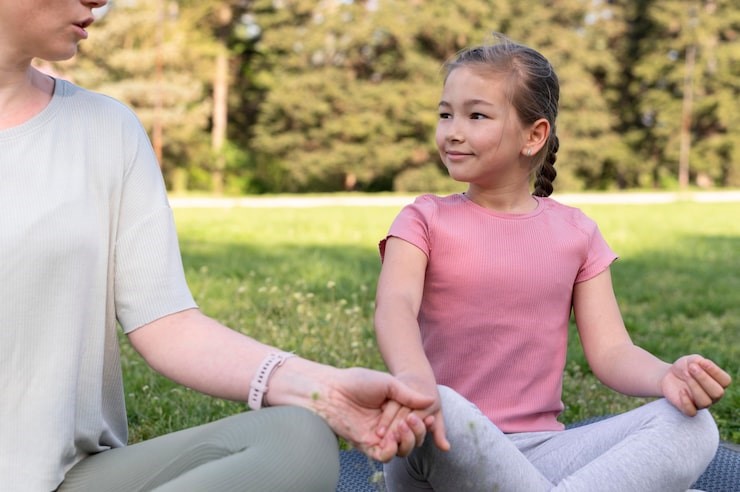
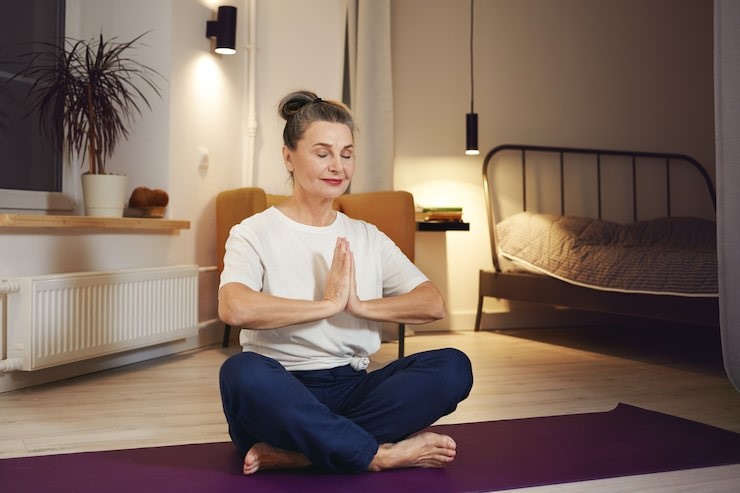
Loving Kindness Meditation Practice to Cultivate Compassion

In a world that often feels fast, competitive, and disconnected, cultivating kindness can feel like a quiet revolution. A loving kindness meditation practice offers a simple yet powerful way to reconnect with yourself and others through compassion.

At Suffering Is Optional Meditation, the focus is on practical tools that support emotional wellbeing. This practice helps you soften inner tension while building a more compassionate mindset, making it a valuable part of mindfulness meditation and everyday life.

What is a loving kindness meditation practice

A loving kindness meditation practice, also known as Metta meditation, is a method of developing feelings of goodwill and compassion. Instead of focusing solely on the breath, you actively cultivate positive intentions toward yourself and others.

This practice is deeply rooted in mindfulness meditation, as it encourages awareness of your thoughts and emotions while guiding them in a positive direction. You are not forcing feelings. You are gently nurturing them.

Over time, this helps create a more balanced emotional state and supports meditation for mental clarity by reducing internal negativity.

Why a loving kindness meditation practice matters

Many people struggle with self-criticism and negative thinking. A loving kindness meditation practice helps counter this by encouraging kindness toward yourself first.

When you develop compassion for yourself, it becomes easier to extend it to others. This shift can improve relationships, reduce stress, and create a greater sense of connection.

This practice also complements mindfulness meditation by bringing awareness to emotional patterns. Instead of reacting with judgement, you begin to respond with understanding.

How to begin your practice

To start your loving kindness meditation practice, find a quiet and comfortable place to sit. Keep your body relaxed but upright.

Close your eyes and take a few slow breaths. Begin by bringing your attention inward.

Silently repeat simple phrases such as:

  • May I be happy
  • May I be healthy
  • May I be safe
  • May I live with ease

These phrases are the foundation of your practice. They help you cultivate positive intention without forcing emotions.

Extending compassion to others

After directing kindness toward yourself, you can begin to extend it to others. Start with someone you care about, such as a friend or family member.

Repeat the same phrases:

  • May you be happy
  • May you be healthy
  • May you be safe
  • May you live with ease

This expansion is a key part of a loving kindness meditation practice. It strengthens empathy and reduces emotional distance between yourself and others.

Practicing mindfulness meditation through kindness

A loving kindness meditation practice is also a form of mindfulness meditation. As you repeat the phrases, you remain aware of your thoughts, emotions, and sensations.

You may notice resistance or discomfort at times. This is normal. Instead of avoiding these feelings, acknowledge them and gently return to your practice.

This awareness helps build emotional resilience and supports meditation for mental clarity by reducing internal conflict.

Overcoming common challenges

One challenge in a loving kindness meditation practice is difficulty feeling genuine warmth at first. This does not mean you are doing it wrong.

If the feelings do not arise immediately, continue repeating the phrases. The intention itself is powerful, even if the emotions are subtle at the beginning.

Another challenge is distraction. Your mind may wander during the practice. Each time this happens, gently return to your phrases. This process strengthens your focus and deepens your mindfulness meditation experience.

Integrating compassion into daily life

A loving kindness meditation practice does not end when your session is over. Its effects can extend into your daily interactions.

You may find yourself becoming more patient, understanding, and less reactive. Small moments of kindness begin to influence your behavior naturally.

This is where the practice supports meditation for mental clarity. As your mind becomes less clouded by judgement, your thoughts become clearer and more balanced.

You can also use short phrases during the day. If you feel stressed, silently repeat a kind intention to yourself. This helps you stay grounded and calm.

Strengthening emotional wellbeing

Regular practice of a loving kindness meditation practice can improve emotional wellbeing. It reduces negative self talk and increases feelings of connection.

This does not mean you ignore challenges. Instead, you approach them with a more compassionate and balanced mindset. This shift is essential for both mindfulness meditation and long term emotional stability.

Over time, you may notice that you respond to yourself and others with more patience and understanding.

A path to inner balance and connection

A loving kindness meditation practice  is a gentle yet powerful way to cultivate compassion. It supports emotional healing, improves relationships, and enhances overall wellbeing.

At Suffering Is Optional Meditation, this practice is seen as a way to transform how you relate to yourself and the world. It aligns naturally with mindfulness meditation and strengthens your ability to remain present.

Start today. Take a few minutes to sit quietly, repeat your phrases, and allow kindness to grow. With consistency, this simple practice can create meaningful change in how you think, feel, and connect with others.

10 Minute Guided Meditation to Reduce Stress and Boost Focus

Finding time to slow down can feel impossible in a fast moving world. Yet, just a few intentional minutes can reset your mind and body. A 10 minute guided meditation offers the perfect balance between depth and practicality, giving you enough time to settle your thoughts while still fitting into a busy schedule.

At Suffering Is Optional Meditation, the goal is to make meditation approachable and effective. You do not need to be experienced or perfectly calm to begin. You simply need to show up and follow the process.

Why a 10 minute guided meditation is powerful

A 10 minute guided meditation provides enough time to move beyond surface level relaxation. In the first few minutes, your mind may still feel active. As you continue, your breathing slows, your body softens, and your awareness deepens.

Guided meditation is especially helpful for beginners. Instead of wondering what to do, you follow simple instructions that keep your attention focused. This makes it easier to stay present and experience the benefits of meditation for stress and meditation for anxiety.

Over time, these sessions train your mind to become more stable and less reactive. You begin to notice a sense of calm that extends beyond the meditation itself.

Preparing for your meditation

Before starting your 10 minute guided meditation, find a comfortable position. Sit upright in a chair or on a cushion. Keep your back straight but relaxed, allowing your body to remain at ease.

Close your eyes or soften your gaze. Take a few deep breaths to settle into the moment. Let go of any tension in your shoulders, face, and hands.

Creating a small, consistent space for meditation can help, but it is not required. The most important thing is your willingness to be present.

A simple 10 minute guided meditation you can follow

Begin by bringing your attention to your breath. Notice the natural rhythm of inhaling and exhaling. There is no need to control it.

For the first two minutes, simply observe your breathing. Let your body relax with each exhale.

In the next few minutes, expand your awareness. Notice sensations in your body such as warmth, tension, or movement. Allow everything to be as it is without trying to change it.

As thoughts arise, gently acknowledge them and return your focus to your breath. This is a key part of meditation for anxiety. You are not trying to eliminate thoughts but to relate to them differently.

In the final minutes, rest in open awareness. Allow your mind and body to settle naturally. When you are ready, slowly bring your attention back and open your eyes.

How meditation for anxiety supports emotional balance

Anxiety often comes from constant mental activity and worry. A 10 minute guided meditation helps create space between you and your thoughts.

Instead of being caught in anxious thinking, you learn to observe it. This reduces its intensity and allows you to respond more calmly.

Practicing meditation for anxiety regularly can help you feel more grounded. Even during stressful situations, you will have a tool to return to calmness.

This shift does not happen overnight, but with consistency, it becomes a natural part of how you experience your thoughts and emotions.

Using meditation for stress throughout the day

A 10 minute guided meditation  is not limited to a single session. Its benefits extend into your daily routine.

You may notice that you pause more often, breathe more deeply, and react less impulsively. These small changes are the result of regular meditation for stress.

You can also use short moments of awareness between tasks. Even a few conscious breaths can reconnect you to the calm you experience during meditation.

This makes meditation a practical tool rather than something separate from your life.

Staying consistent with your practice

Consistency is the foundation of progress. A 10 minute guided meditation is long enough to be effective and short enough to maintain daily.

Choose a time that works best for you. Morning sessions can help set a focused tone, while evening sessions can release tension from the day.

If you find it difficult to stay consistent, start by committing to just a few days a week. Gradually build the habit without pressure.

At Suffering Is Optional Meditation, the focus is on sustainable practice. Meditation should feel supportive, not overwhelming.

Common challenges and how to manage them

It is normal to experience distractions during a 10 minute guided meditation. Your mind may wander, or you may feel restless.

This is part of the process. Each time you notice your attention drifting and bring it back, you are strengthening your focus.

Another common challenge is expecting immediate results. While you may feel calmer after one session, the deeper benefits of meditation for anxiety and meditation for stress develop over time.

Patience and consistency are key. Allow the practice to unfold naturally.

The long term benefits of guided meditation

A regular 10 minute guided meditation can lead to meaningful changes in your mental and emotional wellbeing. You may experience reduced stress, improved focus, and greater emotional balance.

You may also find it easier to handle challenges without feeling overwhelmed. This is because meditation helps you build awareness and resilience. Suffering Is Optional Meditation teaches that calm and clarity are always available. Through consistent practice, you learn how to access these states more easily.

Take ten minutes today to pause, breathe, and follow a simple guided meditation. This small commitment can create lasting improvements in how you think, feel, and respond to life.

5 Minute Meditation Practice for Busy Minds and Stress Relief

Modern life rarely slows down. Between work pressure, constant notifications, and daily responsibilities, it becomes difficult to find even a few quiet moments. This is where a 5 minute meditation practice can make a meaningful difference. You do not need long sessions or a perfect environment. Just a few intentional minutes can help you reset your mind and body.

At Suffering Is Optional Meditation, the approach is practical and grounded in real life. Meditation is not about escaping your routine. It is about learning to move through it with more awareness and ease.

Why a 5 minute meditation practice is effective

Many people assume meditation must be long to be beneficial. This belief often prevents them from starting at all. In reality, a 5 minute meditation practice can be incredibly powerful when done consistently.

Short sessions work because they interrupt the stress cycle. When your mind is overloaded, even a brief pause allows your nervous system to settle. Your breathing slows, your thoughts soften, and your body begins to relax.

Consistency is what creates change. Practicing for five minutes daily is far more effective than occasional long sessions. Over time, this simple habit builds a strong foundation for both meditation for stress relief and meditation for mental clarity.

How to start your 5 minute meditation practice

Beginning your practice does not require anything complicated. You only need a quiet moment and a willingness to focus inward.

Sit comfortably in a chair or on a cushion. Keep your back upright but relaxed. Rest your hands naturally and close your eyes or soften your gaze.

Take a few slow breaths to settle in. Inhale through your nose and exhale gently. Allow your body to release any tension.

Now bring your attention to your breath. Notice the natural rhythm of inhaling and exhaling. You are not trying to control your breathing. You are simply observing it.

This simple awareness is the core of a 5 minute meditation practice.

Using meditation for stress relief

Stress builds when your mind is constantly jumping between past regrets and future worries. A 5 minute meditation practice brings your attention back to the present moment.

As you focus on your breath, thoughts will naturally arise. This is completely normal. Instead of resisting them, gently acknowledge each thought and return your attention to your breathing.

This process is what makes meditation for stress relief so effective. You are training your mind to pause rather than react. Over time, this reduces the intensity of stress and creates a greater sense of calm.

Even a short session can leave you feeling lighter and more balanced. Your body relaxes and your mind becomes less crowded.

Strengthening meditation for mental clarity

A clear mind is not one without thoughts. It is a mind that is not overwhelmed by them. A 5 minute meditation practice helps you develop this clarity by creating space between your thoughts.

With regular practice, you begin to observe your thinking patterns more easily. Instead of getting caught up in every thought, you learn to step back and respond more consciously.

This is where meditation for mental clarity becomes valuable. Whether you are working, studying, or making decisions, a calm and focused mind allows you to perform better.

You may also notice improved concentration and reduced mental fatigue. Even during busy days, you will feel more grounded and present.

Making your practice consistent

The real benefit of a 5 minute meditation practice comes from consistency. It is not about doing it perfectly. It is about doing it regularly.

Choose a time that fits naturally into your day. Morning meditation can set a calm tone, while evening sessions can help you unwind. You can also use meditation during breaks or moments of stress.

Flexibility is important. If five minutes feels too long on a busy day, even a few mindful breaths can help. The goal is to stay connected to your practice without pressure.

Suffering Is Optional Meditation encourages integrating mindfulness into daily life. Meditation becomes something you carry with you, not something separate from your routine.

Overcoming common challenges

It is normal to face challenges when starting a 5 minute meditation practice. One of the most common is a restless mind. You may feel like your thoughts are more active than ever.

This is not a problem. It simply means you are becoming aware of your mental activity. Each time you notice a thought and return to your breath, you are strengthening your focus.

Another challenge is inconsistency. Busy schedules can make it easy to skip meditation. Keeping your practice short and simple helps you stay committed.

Some people also expect instant transformation. While a single session can bring calm, the deeper benefits of meditation for stress relief and meditation for mental clarity develop over time.

The long term benefits of a simple habit

A 5 minute meditation practice may seem small, but its long term impact can be significant. With regular practice, you may notice reduced stress, improved focus, and greater emotional balance.

You may respond to challenges more calmly and think more clearly in difficult situations. These changes happen gradually, but they are lasting.

This is the essence of Suffering Is Optional Meditation. When you change your relationship with your thoughts, you reduce unnecessary stress and create more ease in your life.

Meditation is not about perfection. It is about showing up consistently. Each session, no matter how short, helps build awareness and resilience.

Start today. Take five minutes, focus on your breath, and give yourself a moment of stillness. Over time, this simple 5 minute meditation practice can transform how you experience your daily life.